Linear modules are widely used in industrial automation, robotics, semiconductor equipment, packaging machinery, and precision manufacturing systems. While most maintenance guides focus on modules in daily operation, many OEM manufacturers and equipment owners face another important challenge:
How should a linear module be maintained if it will not be used for several months or even longer?
Improper storage can lead to corrosion, lubrication failure, dust contamination, belt aging, and reduced positioning accuracy. In severe cases, a poorly maintained module may require costly repairs before it can be returned to service.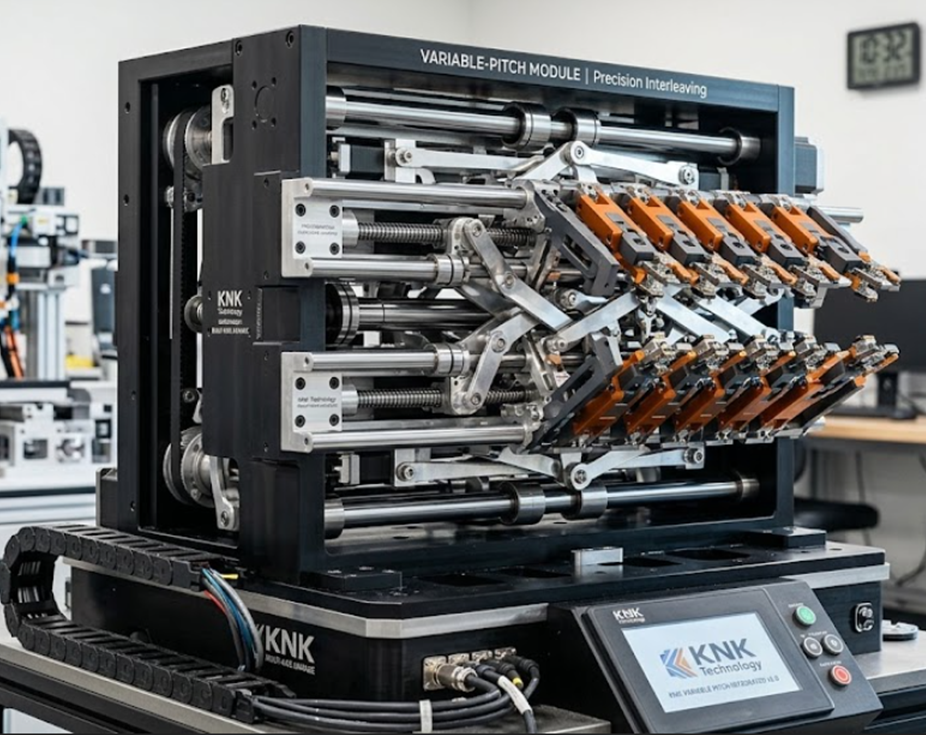
This article explains the best practices for long-term storage and maintenance of linear modules, helping manufacturers protect their investment and extend equipment lifespan.
Many companies purchase spare automation equipment or build production lines that may not be commissioned immediately. During storage, environmental factors can gradually damage key components.
Potential risks include:
A simple preventive maintenance plan can significantly reduce these risks.
Guide rails are precision-ground components that require proper protection.
Without maintenance, they may develop:
Even minor corrosion can affect motion smoothness and accuracy.
For ball screw linear modules, the screw shaft and ball nut assembly are particularly sensitive to moisture.
Potential issues include:
Ball screw systems require regular inspection during storage.
For belt-driven linear modules, timing belts can experience:
Storage conditions play a major role in belt lifespan.
Bearings that remain stationary for extended periods may experience:
Regular maintenance helps prevent these issues.
Before placing a module into long-term storage:
Use:
Avoid allowing contaminants to remain on precision surfaces.
After cleaning, ensure all surfaces are completely dry.
Moisture trapped inside the system can accelerate corrosion.
Corrosion protection is one of the most important storage procedures.
Recommended protection methods include:
Apply a thin layer to:
This creates a protective barrier against moisture.
For long-term storage environments, corrosion-resistant grease may provide additional protection.
Environmental conditions have a direct impact on storage quality.
Temperature:
5°C–35°C (41°F–95°F)
Humidity:
Below 60% RH whenever possible
Avoid:
Climate-controlled storage areas provide the best protection.
Dust particles can damage precision motion components.
Recommended methods include:
However, avoid completely airtight packaging in humid environments, as trapped moisture can accelerate corrosion.
Even when a module is not operating, lubricants gradually degrade.
Maintenance intervals depend on storage duration.
Every 3–6 months:
Proper lubrication protects internal components from corrosion and wear.
One common mistake is leaving the module completely stationary for years.
Periodic movement helps:
Every 1–3 months:
This simple procedure can significantly improve long-term reliability.
Ball screw systems require extra attention because of their precision components.
Recommended actions include:
Look for:
Slow rotation helps maintain lubricant distribution.
Maintain a consistent protective coating throughout the storage period.
Timing belts have different maintenance requirements.
For extremely long storage periods, reducing tension may help minimize belt deformation.
Direct sunlight accelerates belt aging and cracking.
Inspect for:
Replace belts if necessary before restarting production.
Before commissioning stored equipment:
Check:
Remove excess anti-rust oil if required.
Apply fresh lubrication according to manufacturer recommendations.
Run the module at low speed initially and verify:
Only resume full-speed operation after confirming proper performance.
Moisture is the leading cause of corrosion.
Small problems often become major repairs.
Dry components wear rapidly when restarted.
UV radiation significantly reduces belt life.
Dust contamination can damage precision components.
Many OEM manufacturers keep spare modules, production equipment, or project inventory in storage.
A formal maintenance plan helps:
Preventive maintenance is far less expensive than component replacement.
Proper maintenance is essential when a linear module will remain unused for an extended period. By cleaning the system, applying corrosion protection, controlling the storage environment, maintaining lubrication, and performing periodic inspections, manufacturers can significantly extend the life of their equipment.
Whether using a ball screw linear module, belt-driven linear module, or custom automation system, following a structured storage maintenance program ensures reliable performance when the equipment is eventually returned to service.
For OEM manufacturers and automation integrators, long-term equipment protection is an important part of maximizing productivity and reducing total ownership costs.