Categories

Why Is My Linear Module Vibrating or Stuttering? A Complete Troubleshooting Guide

Learn how to diagnose and solve linear module vibration, stuttering, and unstable motion problems. Discover common causes, troubleshooting methods, and maintenance tips for industrial automation systems.
Jun 7th,2026 376 Views

Why Is My Linear Module Vibrating or Stuttering? How to Troubleshoot the Cause

Linear modules are essential components in modern industrial automation systems. They are widely used in robotics, automated assembly lines, packaging equipment, semiconductor machinery, and CNC systems. However, during operation, some users may experience vibration, shaking, jerky movement, or stuttering in a linear module, which can negatively affect positioning accuracy, production efficiency, and equipment lifespan.
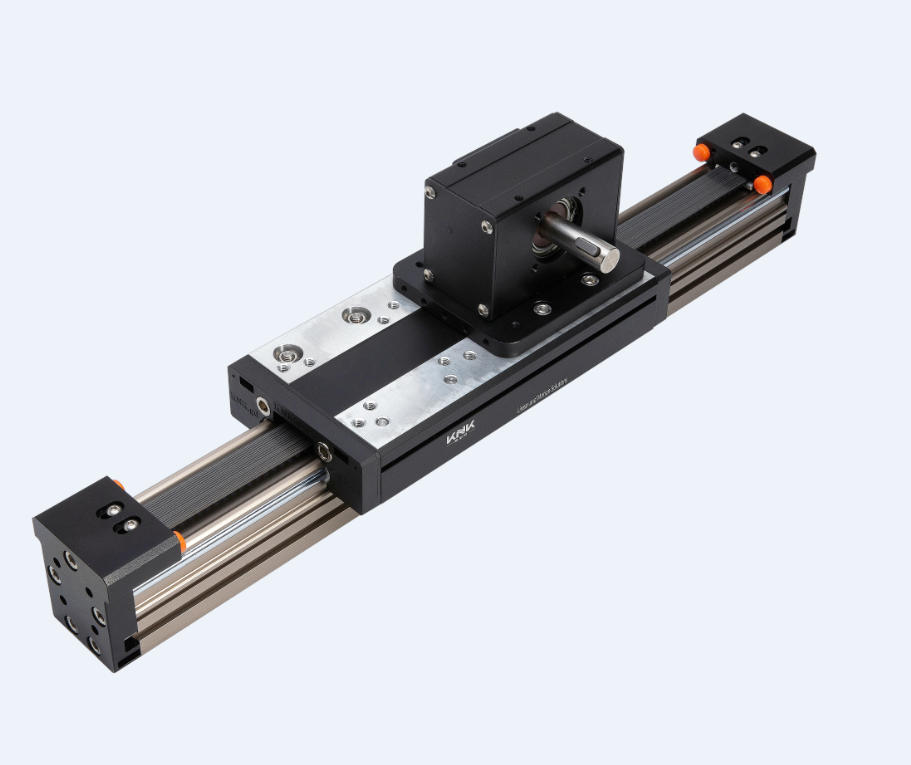
Linear Module

For OEM manufacturers, automation engineers, and maintenance teams, identifying the root cause quickly is critical to maintaining reliable system performance.

This article explains the most common causes of linear module vibration and stuttering and provides practical troubleshooting solutions.


What Are the Symptoms of Linear Module Vibration or Stuttering?

A malfunctioning linear motion system may exhibit the following symptoms:

  • Intermittent jerking during movement
  • Noticeable vibration during acceleration or deceleration
  • Uneven travel speed
  • Positioning inaccuracies
  • Abnormal mechanical noise
  • Increased motor load
  • Reduced production efficiency

These issues can originate from mechanical, electrical, control system, or installation problems.


Step 1: Check Whether the Load Exceeds Design Specifications

One of the most common causes of linear module vibration is excessive payload.

Symptoms:

  • Increased motor current
  • Slow acceleration
  • Shaking during movement
  • Reduced positioning performance

Inspection Method:

  • Verify actual payload weight
  • Check offset load and moment load conditions
  • Compare operating conditions with module specifications

Solution:

  • Reduce the load if possible
  • Select a higher-capacity linear module
  • Optimize load distribution

Overloading can significantly reduce system stability and component lifespan.


Step 2: Inspect the Linear Guide Rail System

The guide rail system directly affects motion smoothness.

Common Problems:

  • Rail contamination
  • Worn guide blocks
  • Insufficient lubrication
  • Misaligned rails

Symptoms:

  • Jerky movement
  • Uneven resistance
  • Grinding sounds

Solution:

  • Clean guide rails regularly
  • Reapply appropriate lubrication
  • Replace worn guide blocks
  • Verify rail alignment

Proper maintenance of guide rails is essential for smooth operation.


Step 3: Check Timing Belt Tension (For Belt-Driven Linear Modules)

In belt driven linear modules, incorrect belt tension frequently causes vibration and positioning instability.

Symptoms:

  • Belt oscillation
  • Vibration at high speed
  • Positioning errors

Inspection Method:

  • Check belt tension
  • Inspect pulley condition
  • Examine belt wear

Solution:

  • Adjust belt tension according to manufacturer recommendations
  • Replace damaged belts
  • Realign pulleys if necessary

Correct belt tension improves both motion accuracy and operational stability.


Step 4: Inspect the Ball Screw System (For Ball Screw Modules)

For ball screw linear actuators, screw wear or poor lubrication can cause motion irregularities.

Symptoms:

  • Stick-slip motion
  • Increased vibration
  • Reduced repeatability

Solution:

  • Inspect ball screw surfaces
  • Check lubrication condition
  • Replace worn ball nuts or screws if necessary

Proper ball screw maintenance ensures smooth and precise movement.


Step 5: Evaluate Servo Motor and Drive Parameters

Mechanical components are not always the source of vibration. Motion control settings can also create instability.

Common Causes:

  • Improper servo tuning
  • Incorrect acceleration settings
  • Resonance frequency issues
  • Encoder feedback abnormalities

Symptoms:

  • Oscillation during positioning
  • Vibration at specific speeds
  • Unstable stopping accuracy

Solution:

  • Optimize servo gain settings
  • Adjust acceleration and deceleration profiles
  • Use automatic tuning functions
  • Check encoder signal integrity

Motion control optimization often solves vibration problems without replacing hardware.


Step 6: Check Mechanical Installation Accuracy

Improper installation can introduce stress into the system and create movement irregularities.

Common Issues:

  • Uneven mounting surfaces
  • Structural deformation
  • Loose fasteners
  • Misaligned module installation

Symptoms:

  • Localized vibration
  • Increased friction
  • Abnormal wear patterns

Solution:

  • Verify mounting surface flatness
  • Tighten all fasteners
  • Recheck installation tolerances

Precision installation is critical for high-performance automation equipment.


Step 7: Identify Environmental Factors

External conditions can affect linear module performance.

Potential Environmental Causes:

  • Dust contamination
  • Metal debris
  • High humidity
  • Temperature fluctuations

Solution:

  • Install protective covers
  • Use sealed linear modules
  • Implement regular cleaning procedures

Harsh environments often require customized protection designs.


Common Causes of Linear Module Vibration at a Glance

Problem Possible Cause Recommended Solution
Shaking during acceleration Excessive load or servo tuning issue Optimize parameters and verify load
Jerky movement Poor lubrication or rail contamination Clean and lubricate guide system
Vibration at high speed Incorrect belt tension Adjust or replace timing belt
Positioning instability Encoder or control problem Inspect servo feedback system
Uneven movement Rail misalignment Reinstall and align guide rails
Continuous vibration Mechanical resonance Modify motion profile and tuning

Why Custom Linear Modules Reduce Vibration Problems

Many vibration issues occur because standard products are used in demanding or specialized applications. OEM manufacturers often choose custom linear module solutions to optimize performance.

Customization options include:

  • Heavy-duty structural design
  • High-rigidity guide rail systems
  • Precision ball screw assemblies
  • Low-vibration servo configurations
  • Dust-proof and sealed structures
  • High-speed motion optimization

Custom-engineered systems provide better reliability and smoother operation in demanding industrial environments.


How to Select a Reliable Linear Module Supplier

When sourcing a linear motion system, consider suppliers that offer:

  • Custom engineering support
  • Motion analysis and optimization services
  • High-quality guide rail and drive components
  • Precision manufacturing capabilities
  • Long-term technical support

A professional supplier can help prevent vibration and stuttering issues before the system is even installed.


Conclusion

When a linear module vibrates, shakes, or stutters during operation, the problem is usually linked to load conditions, guide rail maintenance, belt tension, ball screw wear, servo tuning, installation accuracy, or environmental factors.

By following a systematic troubleshooting process, engineers can quickly identify the root cause and restore smooth, accurate operation.

For OEM manufacturers and automation integrators, investing in high-quality, customized linear motion systems is one of the most effective ways to improve reliability, reduce downtime, and maximize production efficiency.

Leave a message
Name
Whatsapp/Phone*
Email*
Content