What is a PPU Pick and Place Unit? Core Advantages for Automated Production
A PPU pick and place unit is a cam-driven transfer device that operates under the drive of a servo or stepper motor, executing pre-set trajectories to achieve precise picking and placing of workpieces. Unlike traditional pneumatic handling systems or multi-axis robot modules, PPU units feature a compact all-mechanical structure that eliminates the instability caused by air pressure fluctuations, delivering exceptional performance in three key areas:
-
High Precision: With precision-ground cam curves and high-precision linear guides, top-quality PPU units achieve a repeat positioning accuracy of ±0.02mm, equivalent to one-third the diameter of a human hair, making them ideal for handling micro-components like electronic chips and medical device parts.
-
High Speed: The optimized cam design allows PPU units to complete a single cycle in as fast as 0.3 seconds, achieving up to 120 cycles per minute—3 to 5 times faster than traditional pneumatic handling mechanisms.
-
Low Maintenance: The rolling friction design between cams and bearings minimizes wear, ensuring a service life of over 50,000km under normal operating conditions. This reduces downtime and maintenance costs, with long-term maintenance expenses only half of those for pneumatic equipment.
These advantages make PPU pick and place units a core component in high-precision automated production, and the quality of these units is directly determined by the capabilities of the PPU pick and place unit manufacturer.
Key Qualities of a Reliable PPU Pick and Place Unit Manufacturer
Not all PPU pick and place unit manufacturers can deliver consistent quality and performance. When evaluating potential partners, focus on the following core qualities to ensure you select a reliable and capable manufacturer:
1. Strong R&D and Technical Capabilities
The core competitiveness of a PPU pick and place unit lies in its cam design and precision manufacturing technology. A top manufacturer should have an independent R&D team with expertise in cam curve optimization, material science, and servo system integration. For example, leading manufacturers often use 5-axis CNC grinding machines to process cams, ensuring consistent curve accuracy and surface smoothness, which directly affects the unit’s speed and stability. Additionally, the ability to integrate AI and machine learning for predictive maintenance and defect detection is a key differentiator in 2026, as smart factories demand interconnected and self-optimizing equipment.
2. Customization Capabilities Tailored to Industry Needs
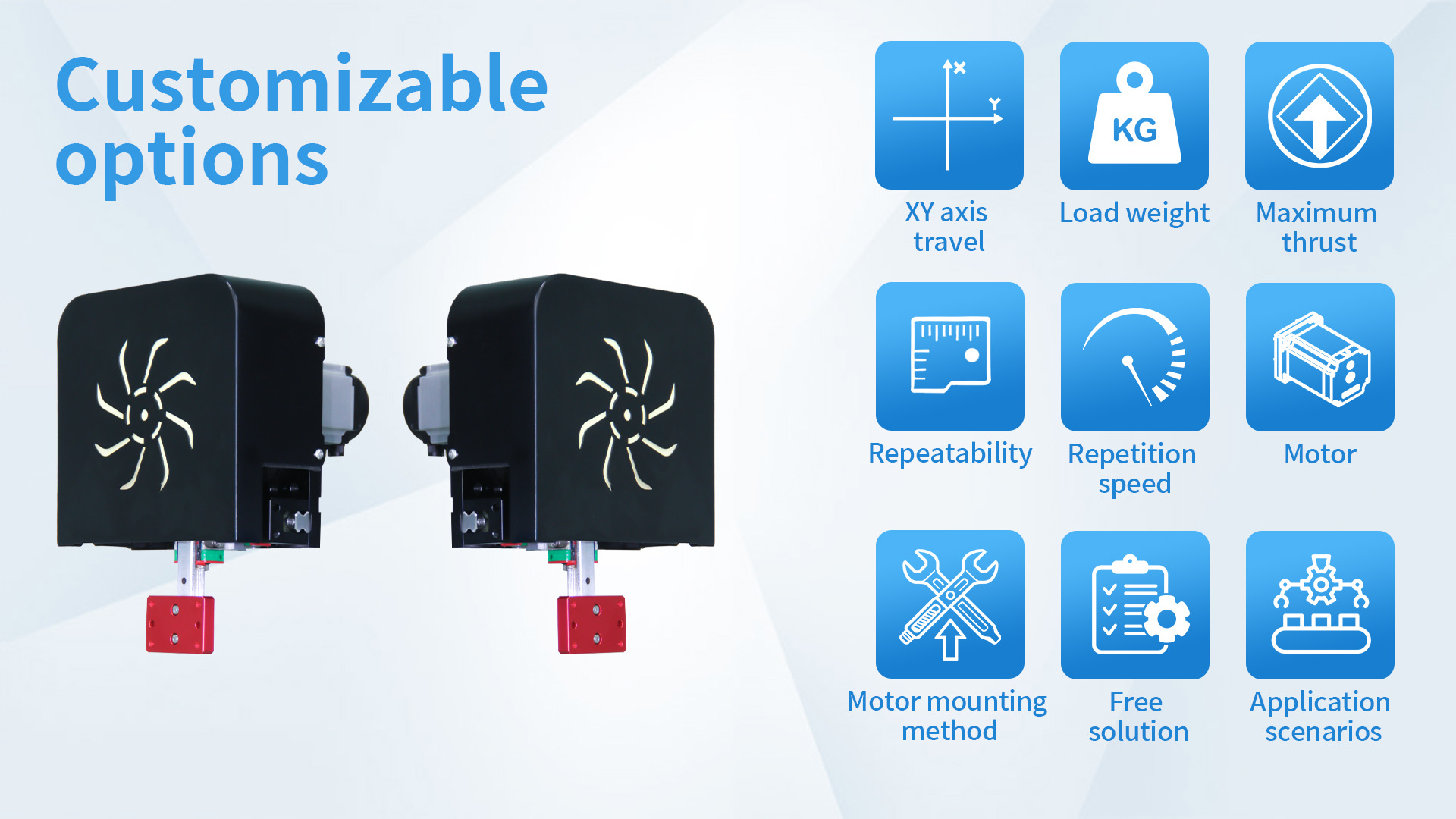
Different industries and production scenarios have unique requirements for PPU units. For instance, 3C electronics require compact PPU units for micro-component handling, while new energy battery production needs heavy-load models (3-6kg) for cell transfer, and medical device manufacturing demands cleanroom-compatible units with non-contact handling capabilities. A reliable PPU pick and place unit manufacturer should offer customized solutions, including adjustable stroke (55-140mm), load capacity, and motion trajectories, to adapt to specific production line layouts and workpiece characteristics. They should also provide 2D and 3D CAD files for easy integration into existing production systems.
3. Strict Quality Control and Production Capacity
Quality stability is critical for PPU units, as even minor deviations can lead to product defects or production line shutdowns. A trustworthy manufacturer should implement strict quality control throughout the production process, from raw material inspection (e.g., high-strength alloy steel for cams) to finished product testing (e.g., precision calibration, fatigue life testing). They should also hold international certifications such as ISO 9001 and have advanced production equipment to ensure large-scale and consistent production—essential for meeting the growing demand in industries like consumer electronics and automotive manufacturing.
4. Comprehensive After-Sales Support and Global Service Network
PPU units are long-term operational equipment, so timely after-sales support is crucial. A reliable PPU pick and place unit manufacturer should offer services such as on-site installation, debugging, operator training, and rapid spare parts supply. Leading manufacturers often have a global service network, ensuring that technical issues are resolved within 24-48 hours to minimize production downtime. Additionally, they should provide remote monitoring and maintenance services to proactively identify potential problems before they affect production.
How to Choose the Right PPU Pick and Place Unit Manufacturer in 2026
With the growing market for PPU units, selecting the right manufacturer requires a systematic approach. Follow these steps to find a partner that aligns with your business needs:
Step 1: Clarify Your Specific Requirements
Before evaluating manufacturers, define your core needs, including: workpiece size and weight, required precision and speed, production line space constraints, industry-specific standards (e.g., cleanroom classification for medical devices), and long-term production growth plans. For example, if you operate a small electronics startup, an entry-level PPU unit from a cost-effective manufacturer like Neoden or Qihe may be suitable, while large-scale automotive component manufacturers may need high-speed, heavy-load units from brands like Juki or Yamaha.
Step 2: Evaluate Manufacturer Credentials and Case Studies
Verify the manufacturer’s industry experience, certifications, and past projects. Look for case studies in your industry—for example, a manufacturer with successful applications in new energy battery production is more likely to understand your needs than one focused solely on consumer electronics. You can also check customer reviews and industry rankings to assess their reputation. Leading manufacturers like ASM (Siemens), Hanwha, and Mycronic are well-regarded for their high-quality PPU units and comprehensive solutions.
Step 3: Test Product Performance and Reliability
Request product samples or on-site demonstrations to test the PPU unit’s precision, speed, and stability under real production conditions. Pay attention to factors like noise levels, energy consumption, and ease of operation. For example, a high-quality PPU unit should have a user-friendly teach pendant for quick parameter setting and program adjustment, reducing programming time and operator training costs.
Step 4: Compare Cost-Effectiveness and Long-Term Value
While upfront cost is important, focus on long-term value. A slightly higher initial investment in a high-quality PPU unit can reduce maintenance costs, improve production efficiency, and extend service life—ultimately lowering the total cost of ownership. For example, a PPU unit with a service life of 10 years and low maintenance costs is more cost-effective than a cheaper unit that requires frequent repairs and replacement.
2026 Industry Trends Shaping PPU Pick and Place Unit Manufacturers
To stay competitive, PPU pick and place unit manufacturers are adapting to the following key trends in 2026, which also provide valuable insights for businesses selecting partners:
-
AI and Smart Integration: Leading manufacturers are integrating AI and machine learning into PPU units to enable intelligent optimization of placement trajectories, predictive maintenance, and real-time defect detection. This helps reduce human intervention and improve production efficiency in smart factories.
-
Miniaturization and High Precision: As electronic devices continue to shrink, there is a growing demand for PPU units capable of handling components as small as 0.01mm. Manufacturers are investing in precision manufacturing technologies to meet this need, with repeat positioning accuracy approaching ±0.01mm.
-
Energy Efficiency and Sustainability: With increasing focus on environmental sustainability, manufacturers are developing energy-efficient PPU units that minimize power consumption and reduce carbon emissions. For example, units with optimized cam designs and energy-saving servo motors can reduce energy consumption by 20-30% compared to traditional models.
-
Modular and Scalable Design: Modular PPU units that can be easily combined with other automation components (e.g., grippers, rotary actuators) are becoming increasingly popular. This allows businesses to scale their production capacity without major line modifications, adapting to changing market demands.