Linear modules are widely used in industrial automation, robotics, packaging equipment, semiconductor machinery, and automated assembly lines. They provide precise linear motion and repeatable positioning for various applications. However, one common issue that engineers encounter is step loss in linear modules, also known as missed steps or positioning drift.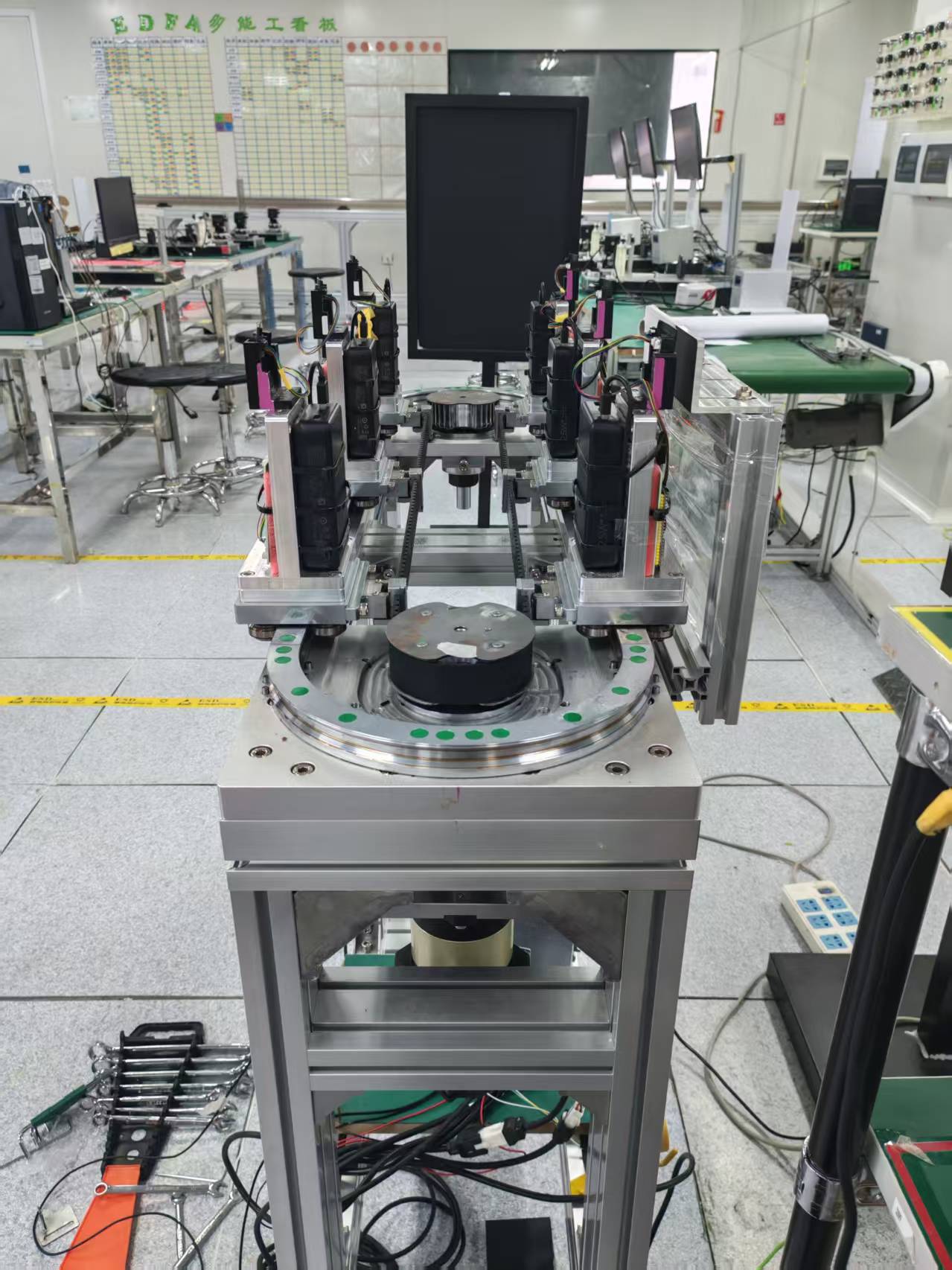
When a linear module loses steps, the actual position no longer matches the commanded position, resulting in reduced accuracy, unstable operation, and potential production defects.
For OEM manufacturers, automation integrators, and maintenance engineers, understanding how to identify and correct linear module step loss problems is essential for maintaining system performance and reliability.
Step loss occurs when the motor fails to complete the commanded movement, causing the linear module to fall behind its target position.
Common symptoms include:
This issue is especially common in systems driven by stepper motors but can also occur in servo-driven applications under certain conditions.
Several mechanical and electrical factors can contribute to linear module missed steps.
One of the most common causes is operating beyond the module's design limits.
Proper load matching is critical for reliable operation.
High acceleration can exceed the motor's available torque.
Optimizing motion profiles often resolves step loss without hardware changes.
If the motor cannot generate enough torque, positioning errors may occur.
Proper motor sizing improves stability and reliability.
Motor drivers play a critical role in motion control.
Proper tuning can significantly improve motion performance.
For belt driven linear modules, belt slippage can mimic step loss.
A properly tensioned belt ensures accurate motion transmission.
For ball screw linear modules, excessive friction can cause movement issues.
Smooth mechanical operation reduces the risk of missed steps.
Guide rail problems can increase resistance and reduce motion accuracy.
Proper guide rail maintenance improves overall system performance.
Noise in the control system can cause unexpected motion errors.
Stable electrical signals are essential for precise motion control.
When diagnosing linear module step loss, follow this sequence:
✔ Check load conditions
✔ Inspect guide rails
✔ Verify lubrication
✔ Check belt tension or ball screw condition
✔ Verify motor torque capacity
✔ Check motor temperature
✔ Inspect couplings and connections
✔ Review acceleration settings
✔ Verify speed parameters
✔ Check drive configuration
✔ Inspect wiring and connectors
✔ Verify grounding system
✔ Check for electromagnetic interference
Following a structured troubleshooting process can significantly reduce downtime.
Preventive measures help improve reliability and reduce maintenance costs.
Select the correct module size, motor, and drive system.
Inspect mechanical components regularly.
Avoid excessive acceleration and sudden speed changes.
Operate within recommended design limits.
Ensure proper alignment and mounting accuracy.
These practices help maintain consistent positioning performance.
OEM manufacturers often require motion systems tailored to specific production environments.
Custom linear motion systems can include:
Customized solutions reduce the likelihood of step loss and improve overall machine performance.
When selecting a supplier for industrial linear modules, consider:
A professional supplier can help optimize system design and minimize operational issues before production begins.
Step loss in a linear module is often caused by excessive load, incorrect motion parameters, insufficient motor torque, belt slippage, mechanical wear, or electrical interference.
By systematically inspecting the mechanical, electrical, and control systems, engineers can quickly identify the root cause and restore accurate positioning performance.
For OEM manufacturers and automation integrators, investing in high-quality, properly engineered linear motion systems is the most effective way to reduce missed steps, improve reliability, and maximize production efficiency.