Linear modules are key components in industrial automation systems, widely used in robotics, pick-and-place equipment, packaging machines, semiconductor manufacturing, CNC machinery, and automated assembly lines. To ensure long-term reliability and positioning accuracy, regular linear module cleaning and maintenance is essential.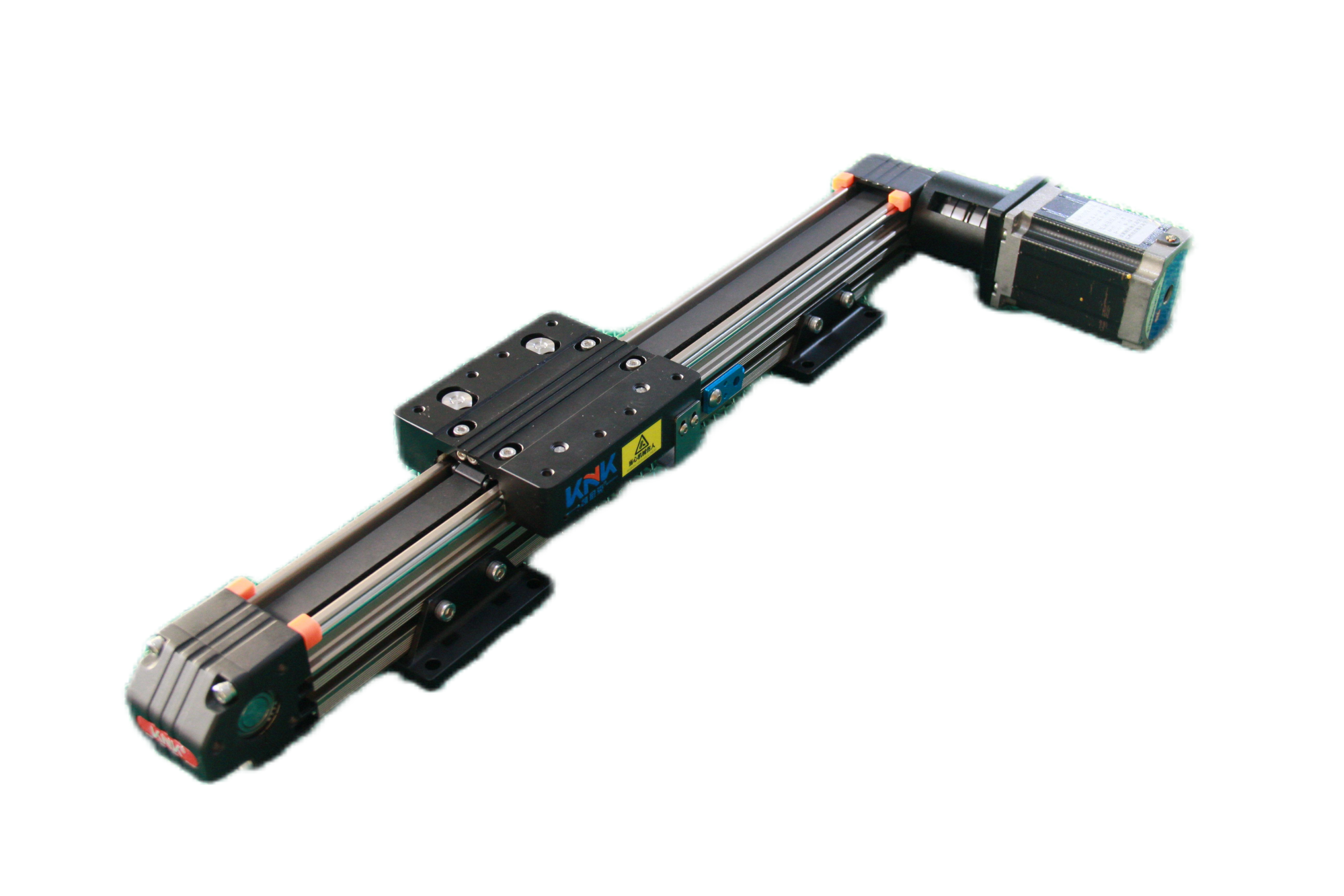
Without proper maintenance, contaminants, insufficient lubrication, and component wear can lead to positioning errors, abnormal noise, vibration, reduced speed, and unexpected downtime.
For OEM manufacturers, machine builders, and automation integrators, implementing a proper linear module maintenance program can significantly reduce operating costs and extend equipment lifespan.
A linear module operates through the coordinated movement of guide rails, bearings, transmission components, and drive systems. Over time, dust, debris, oil contamination, and normal wear can affect performance.
Regular maintenance helps:
A well-maintained linear motion system can operate reliably for years, even in demanding industrial environments.
Several critical components should be inspected and maintained regularly.
Responsible for smooth and accurate movement.
Transmit motion from the motor to the moving carriage.
Support load and reduce friction.
Provide motion control and power transmission.
Prevent dust and contaminants from entering the system.
Each component contributes to overall system performance and reliability.
Guide rails are exposed to dust, metal particles, and other contaminants during operation.
Regular rail cleaning helps maintain smooth motion and reduces premature wear.
Proper lubrication is one of the most important aspects of linear module maintenance.
Always follow the manufacturer's lubrication recommendations regarding lubricant type and maintenance intervals.
For belt driven linear modules, the timing belt is a critical transmission component.
A properly maintained timing belt ensures accurate and stable motion transmission.
For ball screw linear modules, the ball screw requires routine inspection and lubrication.
Proper maintenance helps maintain high-precision linear motion performance.
Continuous machine operation can gradually loosen mechanical connections.
Loose components are often responsible for abnormal noise and positioning problems.
Mechanical alignment directly affects the performance of a precision linear motion system.
Accurate alignment ensures optimal system performance.
The drive system should also be included in maintenance routines.
Electrical issues can often be detected before they cause production downtime.
| Maintenance Item | Recommended Frequency |
|---|---|
| Visual inspection | Weekly |
| Rail cleaning | Weekly or bi-weekly |
| Lubrication | Monthly or according to operating conditions |
| Belt inspection | Monthly |
| Ball screw inspection | Monthly |
| Fastener inspection | Quarterly |
| Alignment verification | Semi-annually |
| Full system inspection | Annually |
Maintenance intervals may vary depending on operating environment and usage intensity.
Excess lubricant can attract dust and contaminants.
Always use products recommended for industrial linear motion systems.
Minor noise or vibration may indicate developing issues.
Worn components can cause additional system damage.
Preventive maintenance is more cost-effective than major repairs.
OEM manufacturers often require solutions tailored to specific operating environments.
Custom linear modules can include:
These features reduce maintenance requirements and improve long-term reliability.
When selecting a supplier, consider:
High-quality components require less maintenance and provide longer service life.
Experienced manufacturers can recommend maintenance-friendly designs.
Reliable support helps reduce downtime and optimize performance.
Custom solutions can improve both performance and maintainability.
Proper linear module cleaning and maintenance is essential for maximizing performance, accuracy, and service life. Regular cleaning, lubrication, inspection, and alignment checks can prevent many common problems before they affect production.
For OEM manufacturers and automation integrators, investing in a proactive maintenance strategy and selecting high-quality linear motion systems can significantly improve equipment reliability while reducing long-term operating costs.