In modern manufacturing and automation industries, motion control systems require high accuracy, reliability, and flexibility. Standard components sometimes cannot meet the unique requirements of specialized equipment. Therefore, many engineers choose to customize linear rails to achieve optimal performance and seamless system integration.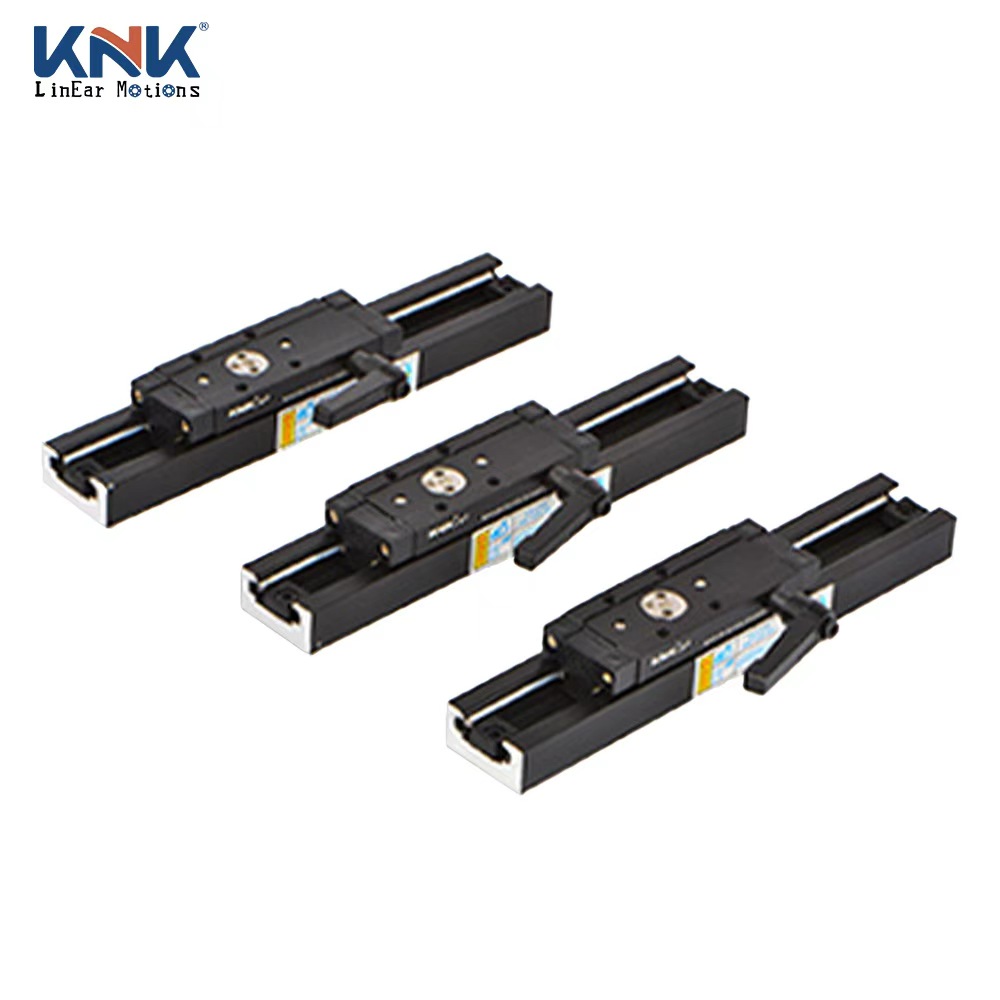
Customized linear rails provide tailored solutions for stroke length, load capacity, installation dimensions, and environmental conditions. By designing rails specifically for a machine or production line, manufacturers can significantly improve equipment efficiency, stability, and lifespan.
Standard linear rails are designed for general applications, but complex automation systems often require more precise configurations. When you customize linear rails, you gain several important advantages.
Different industrial applications require different load capabilities. Custom linear rails can be designed to support higher loads, uneven forces, or specific motion patterns while maintaining smooth and stable movement.
Customized rails can be manufactured according to the exact length and installation requirements of your equipment. This eliminates unnecessary modifications and simplifies machine design.
Precision is critical in many industries such as semiconductor manufacturing, robotics, and CNC machining. Custom linear rails can be optimized for higher positioning accuracy, lower friction, and smoother movement.
By customizing mounting holes, rail profiles, and carriage configurations, engineers can ensure that the linear rail system fits perfectly into existing mechanical structures.
Customized linear rails are widely used in industries that require precise and reliable motion control. Typical applications include:
Industrial automation equipment
CNC machine tools
Robotics and robotic arms
Semiconductor manufacturing equipment
Laser cutting machines
Packaging and assembly systems
Precision inspection equipment
In these applications, custom linear rails help improve motion stability, reduce vibration, and ensure consistent production accuracy.
Before designing a customized linear rail system, engineers usually consider several critical factors:
Load capacity: Maximum load and dynamic forces during operation.
Rail length: Travel distance and installation space requirements.
Accuracy grade: Required positioning precision and repeatability.
Environmental conditions: Temperature, dust, humidity, or cleanroom requirements.
Mounting method: Installation holes, rail structure, and carriage configuration.
Providing detailed application requirements helps manufacturers design the most suitable customized solution.
Selecting the right custom linear rail manufacturer plays an important role in ensuring product quality and long-term performance. A professional manufacturer should provide:
Advanced precision machining capabilities
Flexible customization options
Strict quality inspection standards
Engineering support for design optimization
Reliable global supply and technical service
Working with an experienced supplier allows businesses to obtain motion systems that meet demanding industrial requirements.
As automation technology continues to evolve, the demand to customize linear rails is growing rapidly across many industries. Customized solutions provide improved accuracy, better structural compatibility, and optimized performance for complex machinery.
Whether used in robotics, CNC systems, or high-precision automation equipment, custom linear rails offer a reliable foundation for advanced motion control systems.
If your project requires specialized motion components, working with a professional manufacturer to customize linear rails can deliver the precision and efficiency your application demands.